
Is My Home Part of My Retirement Plan?
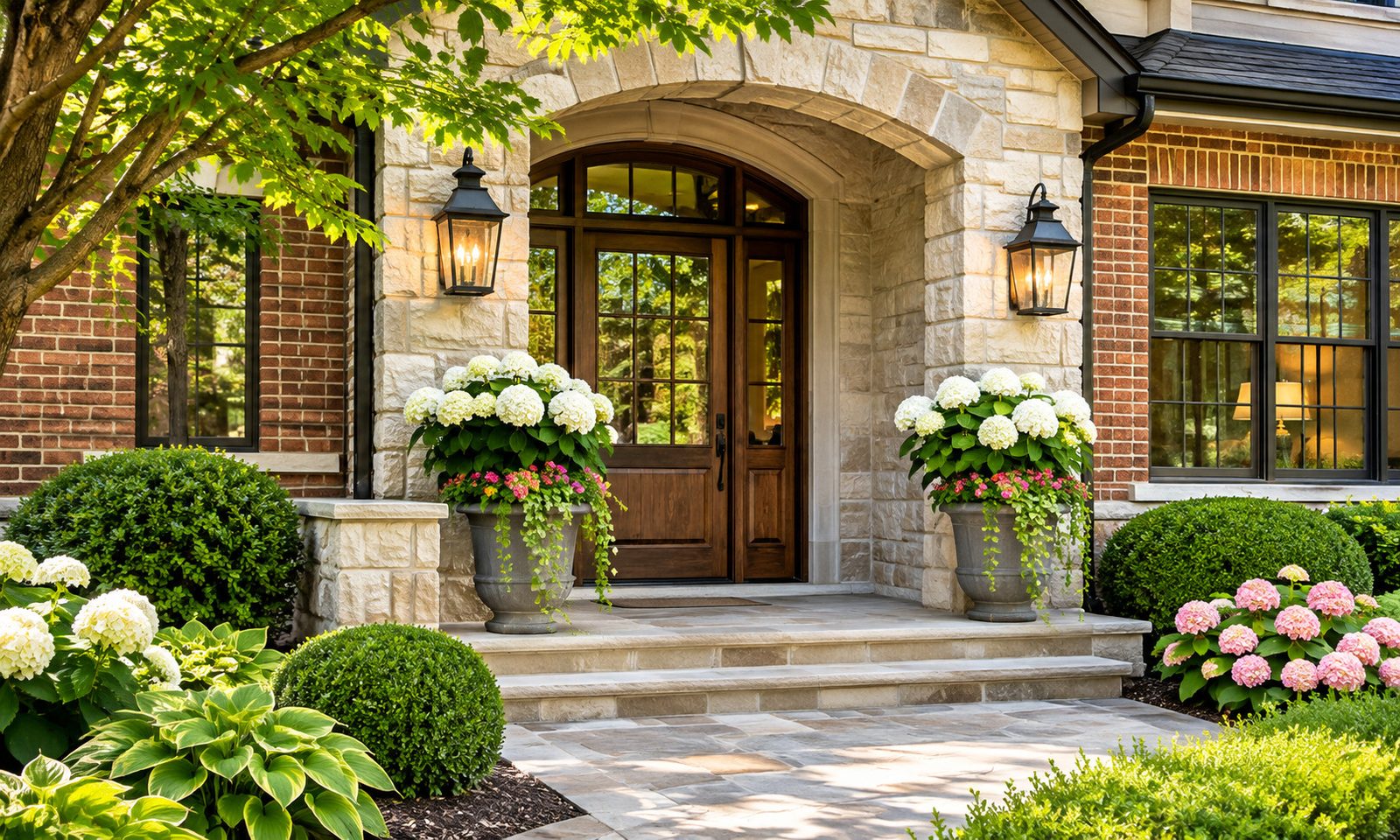
Here's the short answer: for many families, yes. Your home is likely your biggest asset, and the equity in it can become a big part of your retirement. But that only works if you protect its value along the way and have a plan for how you'll actually use it. A house doesn't turn into retirement money on its own.
I've watched too many families reach their 60s and 70s with a house worth far less than it could have been. Not because of the market, but because of years of small, put-off repairs that added up. That's money that should have been theirs.
Three ways your home can support your retirement
- Sell and downsize. Move to something smaller, simpler or closer to family, and free up equity for living expenses, travel or care.
- Stay and age in place. Make the home safer and easier to live in, and enjoy lower housing costs once the mortgage is paid off.
- Rent it or borrow against it. Some homeowners rent out a home or a unit for income, or use a loan against their equity. These can work, but they come with costs and risks. Talk with a financial advisor before you choose one.
Whichever path you take, the same thing decides how much your home is worth to you: its condition.
Protect the value you've built
Think of maintenance as protecting your retirement account.
- Keep water out. Roof, gutters, grading and plumbing. Water is the fastest way a house loses value.
- Replace systems before they fail. A furnace, water heater or roof replaced on your schedule costs less than one that fails in January or shows up on a buyer's inspection report.
- Refresh, don't gut. Fresh paint, updated lighting and a clean, cared-for look keep a home current without draining your savings.
- Keep your receipts. A folder of repairs and upgrades is proof of care when it's time to sell, and can matter for taxes too. Ask your tax advisor what to keep.
Start the plan earlier than you think
The best time to think about your home as a retirement asset is ten years before you need it. That gives you time to:
- Spread repairs out instead of facing them all at once
- Decide which updates are worth making and which aren't
- Watch your local market and understand what your home is really worth
- Talk with your family about the plan, so no one is surprised later
The bottom line
Your home can be one of the strongest parts of your retirement, but only if you treat it like the asset it is. Protect its value, make a plan, and get good advice along the way.
This article is for education only and isn't financial, tax or legal advice. Talk with your own advisors about your situation.