Should My First Home Be a Two-Flat?
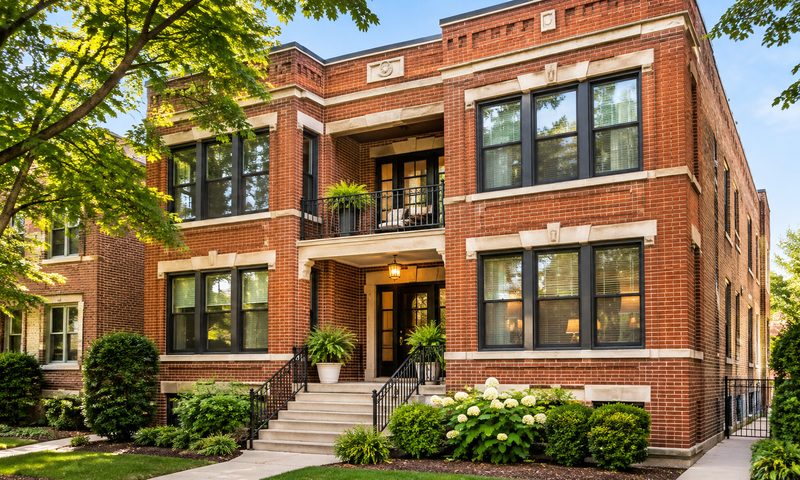
Here's the short answer: a two-flat can be a smart first home if you're ready to be a landlord, you buy one that's in good shape, and the numbers still work if the other unit sits empty for a few months. Living in one unit while a tenant rents the other can help pay your mortgage and start building equity from day one. But it's a business as well as a home, and it needs to be bought like one.
I've been investing in real estate since 1987, and small buildings like two-flats are one of the most reliable ways I know for regular families to build long-term value.
Why a two-flat can work so well
- Rent helps pay the mortgage. Your tenant's rent can cover a meaningful part of your monthly payment.
- You may be able to buy it like a home, not an investment. Many owner-occupant loan programs can be used for small buildings when you live in one of the units. Ask your lender which programs you qualify for and what they require.
- You build equity on two units. As the building's value grows and the loan is paid down, you're building value on more than just your own home.
- It gives you options later. Move out and rent both units, sell it, or live in it for decades. A good two-flat stays flexible.
What nobody tells you
- You're a landlord now. That means screening tenants, following local landlord-tenant rules, handling repairs, and answering the phone when the heat goes out. Learn the rules where you're buying before you sign.
- Two of everything can wear out. Two furnaces, two water heaters, two kitchens, two bathrooms, and often an older building. Budget for repairs and keep a cash cushion.
- Vacancy happens. If the unit sits empty or a tenant stops paying, you still owe the full mortgage. Make sure you could cover it.
- Shared walls. You'll hear your tenant, and they'll hear you.
What to check before you buy
- The leases and the rent. Ask for copies of current leases and proof of rent paid. Compare the rent to what similar units nearby actually rent for.
- Separate utilities. Separate heat and electric for each unit makes life easier and expenses clearer.
- A thorough inspection of both units, including the sewer line, the roof, the electrical service and the heating systems. Older buildings hide expensive problems in the same places single-family homes do. (See Which Home Inspection Problems Are Deal-Breakers?)
- Your numbers with no rent coming in. Run the budget as if the other unit were empty for three months. If that would sink you, keep looking or lower your price.
- The tenant. You're inheriting them. Meet them if you can, and know the lease terms.
The bottom line
A two-flat isn't for everyone. If you want a quiet house with no phone calls about leaky faucets, buy a single-family home. But if you're willing to learn, and you buy a solid building with numbers that hold up, it can be one of the best first steps toward building value in real estate.